

- Recovery Research Stack
Wolverine stack
A peptide combination studied for its potential role in supporting tissue repair, cellular recovery, and regenerative signaling pathways.
2
Compounds
Regeneration Potential
Research Peptides
Two complementary peptides targeting distinct yet synergistic recovery and regeneration pathways.

BPC-157
A synthetic peptide derived from a naturally occurring body protection compound. Widely studied for its involvement in tissue repair mechanisms, connective tissue signaling, and cellular protection and recovery pathways.
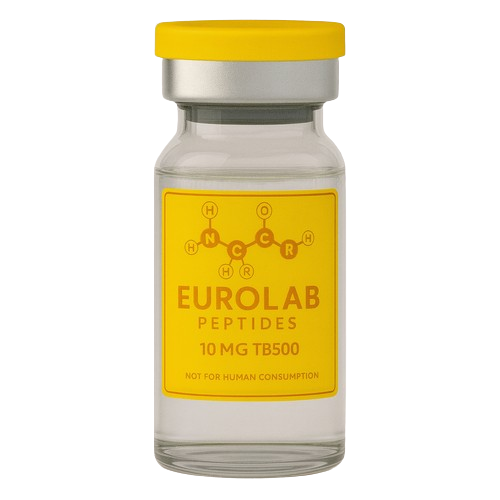
TB-500
A synthetic peptide based on the active region of Thymosin Beta-4. Explored in research for cell migration and cytoskeletal organization, tissue remodeling processes, and recovery and regeneration signaling.
Buy this stack and get 10% off
Why This Stack Is Studied
The Wolverine stack is of interest because both compounds act on different but complementary recovery pathways. BPC-157 focuses on local tissue integrity and repair signaling, while TB-500 supports cellular movement, remodeling, and systemic recovery mechanisms. Together, researchers study this combination to better understand synergistic recovery responses rather than isolated repair mechanisms.
Local Tissue Integrity
Repair signaling via BPC-157
Cellular Movement
Migration and cytoskeletal organization
Tissue Remodeling
Regenerative adaptation processes
Systemic Recovery
Complementary healing mechanisms
- Multiple Pathway
Key Research Advantages
- Tissue regeneration and repair models
- Muscle, tendon, and ligament research
- Cellular recovery and adaptation studies
- Inflammation-related signaling pathways
- Regenerative biology research
- Important Research Notice
